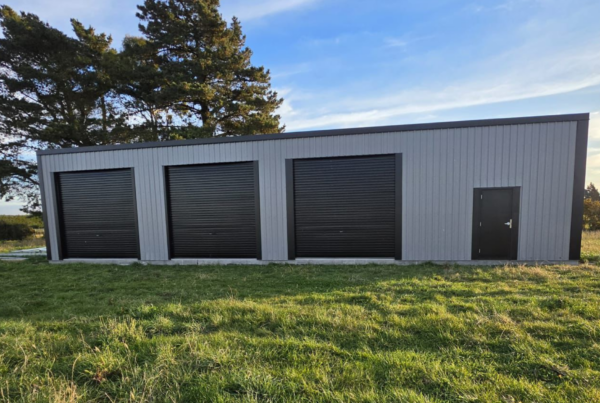
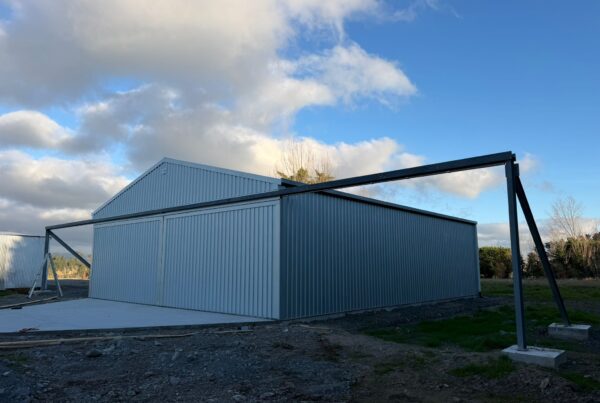
If you’re researching shed options in New Zealand, you’ve likely come across the term kitset shed. But what exactly does that mean, and how do you know if a kitset shed is the right choice for your site, storage needs, or business?
This guide breaks down what a kitset shed is, how it works, and when it makes sense — especially in New Zealand conditions where wind zones, weather exposure, and compliance matter.
What is a Kitset Shed?
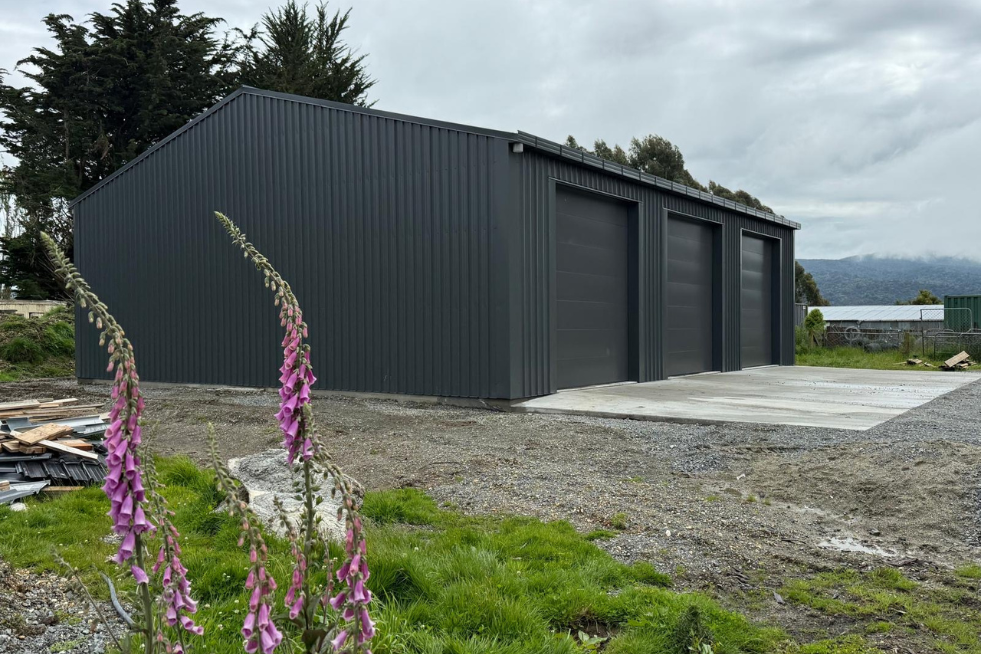
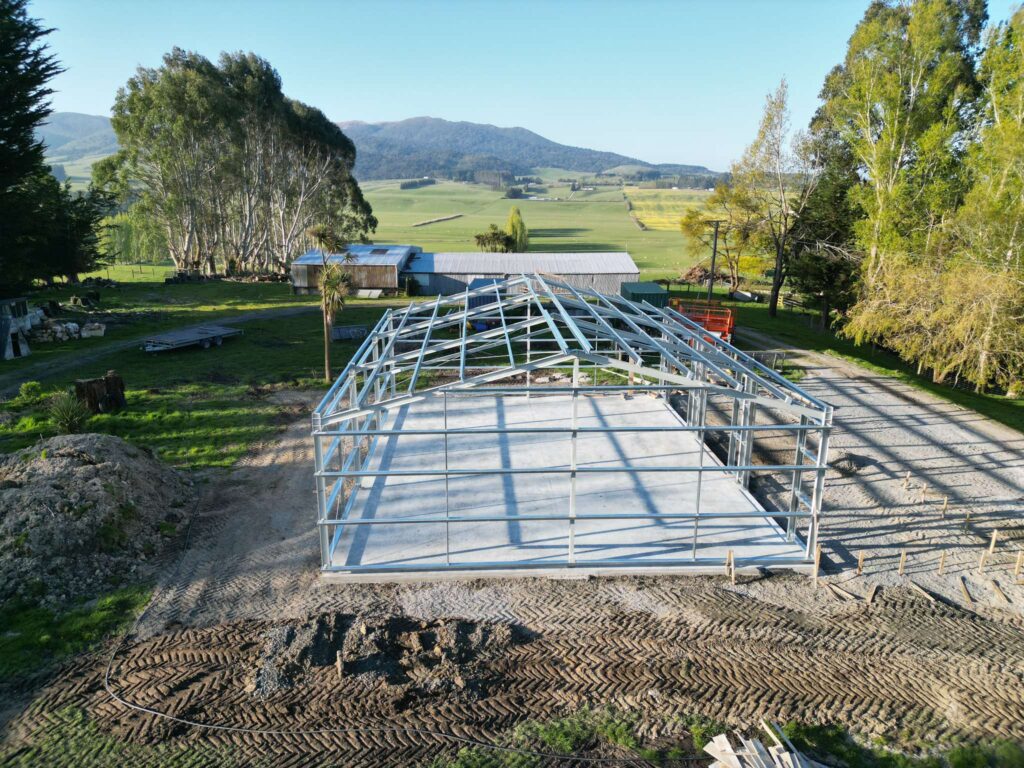
A kitset shed is a pre-engineered building system that is manufactured off-site and supplied as a complete package, ready for assembly.
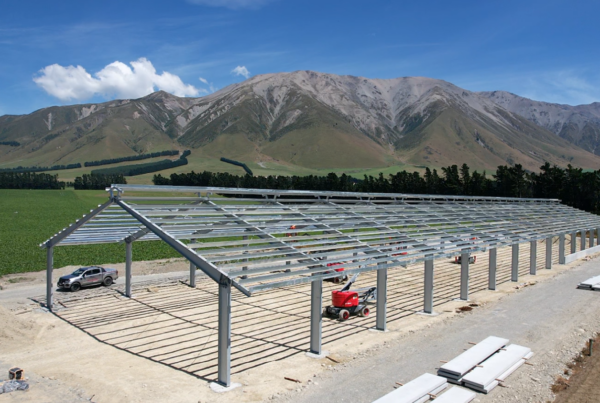
Rather than designing everything from scratch on site, the shed is planned in advance by engineers. All structural steel components are pre-cut, pre-drilled, and labelled, allowing for accurate and efficient installation.
A kitset shed typically includes:
- Structural steel framing
- Roofing and cladding components
- Brackets, fixings, and connection details
- Engineering documentation and plans
Kitset sheds can be installed by professional installers or, in some cases, assembled by experienced builders using the supplied plans.
How Kitset Sheds Work in Practice
The process usually follows these steps:
- Planning & Design
The shed size, layout, and intended use are defined. Engineering takes into account wind zone, snow load, seismic requirements, and site conditions. - Manufacture
Steel components are fabricated off-site, cut and drilled to specification. - Delivery
The kitset is delivered to site, ready for assembly. - Installation or Assembly
The structure is erected according to the supplied drawings and engineering details.
Because much of the work is done upfront, kitset sheds often reduce on-site delays and uncertainty.
Kitset Shed vs Custom Shed: What’s the Difference?
A kitset shed is not the same as a cheap or temporary building. The difference lies in how the structure is planned and delivered, not in the quality.
Kitset sheds:
- Use pre-engineered designs
- Are efficient to manufacture and assemble
- Offer predictable costs and timelines
- Suit straightforward layouts and uses
Custom sheds:
- Are designed entirely from scratch
- Allow for more complex layouts or site constraints
- May be better for specialised or multi-use buildings
The right option depends on how the space will be used, not just budget.
When Does a Kitset Shed Make Sense?
Kitset sheds are a strong option when:
- The intended use is clear (storage, workshop, vehicle housing)
- The site is relatively straightforward
- Speed and cost control are important
- You want a compliant, engineered structure without unnecessary complexity
In many cases, kitsets are chosen because they strike a balance between performance, efficiency, and practicality.
Common Uses for Kitset Sheds in New Zealand
Kitset sheds are widely used across New Zealand for:
Extra Storage
Ideal for storing tools, machinery, feed, or equipment while keeping everything weather-protected.
Vehicle Storage
Kitsets work well for:
- Car storage
- Boats
- Caravans
- Jetskis
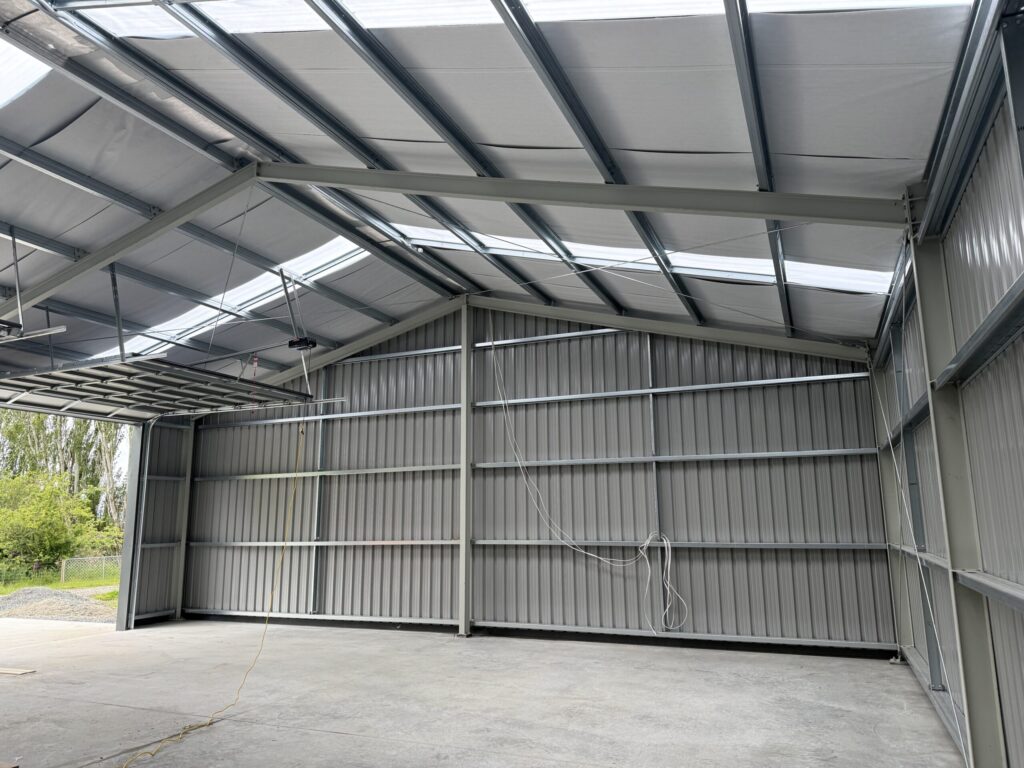
Clear-span designs allow easy access and flexible internal layouts.
Workshops
Many tradies and small businesses choose kitset sheds for workshops due to:
- Open internal space
- Roller door access
- Predictable build timelines
Rural and Lifestyle Properties
Kitsets are commonly used on farms and lifestyle blocks where durability and practicality are more important than architectural complexity.
Are Kitset Sheds Built to NZ Standards?
A properly designed kitset shed should always be engineered to New Zealand standards.
This includes consideration for:
- Wind zones
- Snow loads
- Seismic requirements
- Local site exposure
Compliance is critical, especially in regions with high winds or snow loading. A kitset should never bypass engineering; it should simplify the build process, not compromise safety.
Do Kitset Sheds Limit Design Options?
While kitset sheds are pre-engineered, they are not one-size-fits-all. Many kitset ranges offer flexibility to suit different sites, uses, and budgets.
Depending on the range, kitset sheds can be tailored in areas such as:
- Shed size and overall footprint
- Door placement and access points
- Cladding profiles
- Colour options, including the full COLORSTEEL® range
- Clear-span or column-supported layouts
We’ve also broken this down visually in a recent FAQ, showing how size, layout, and colour options can be tailored to suit different needs.
The key is understanding where a kitset works well and where a fully custom design may be more suitable. With the right planning, a kitset shed can be both efficient and well matched to how the space will be used.
Planning Ahead Makes the Difference
The success of a kitset shed comes down to good planning at the start. This includes:
- Defining how the space will be used
- Understanding site conditions
- Allowing for future needs
- Ensuring engineering matches local requirements
When these factors are considered early, a kitset shed can deliver long-term performance without unnecessary cost or complexity.
Lets Make it Happen
If a kitset shed sounds like the right fit for your storage, workshop, or business needs, the next step is understanding what will work best for your site and how the space will be used.
At ProSteel Systems, we offer free quotations and practical guidance to help you plan with confidence. We’ll take into account your site location, intended use, and local conditions to ensure the structure is properly engineered and suited to New Zealand standards.
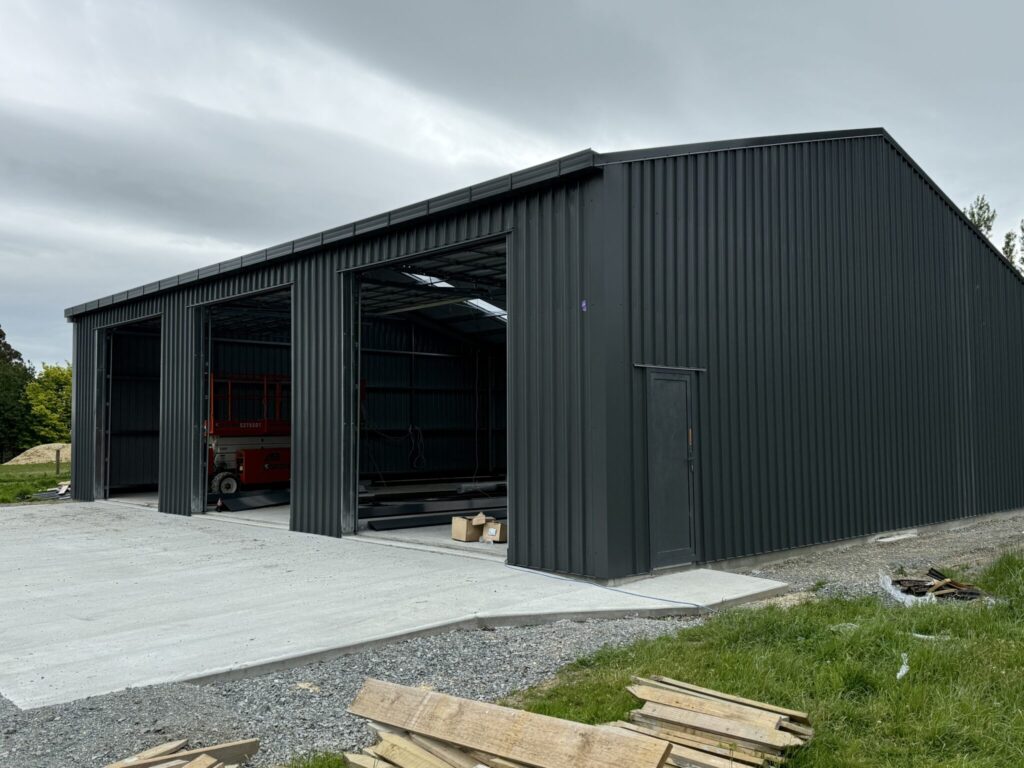
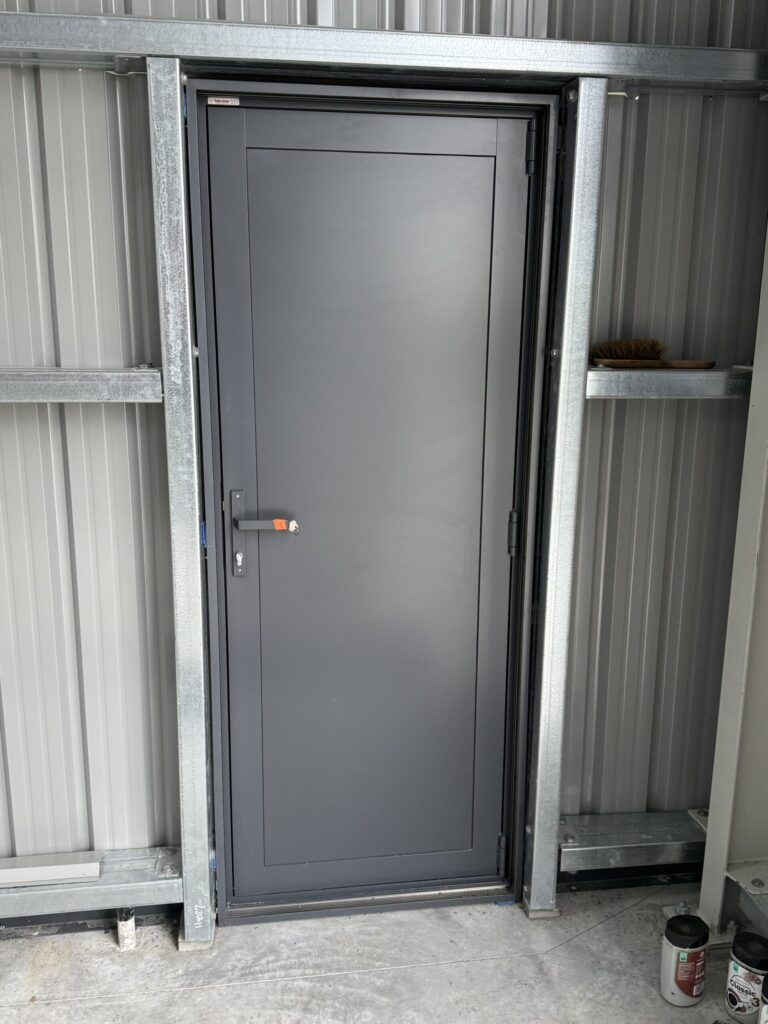
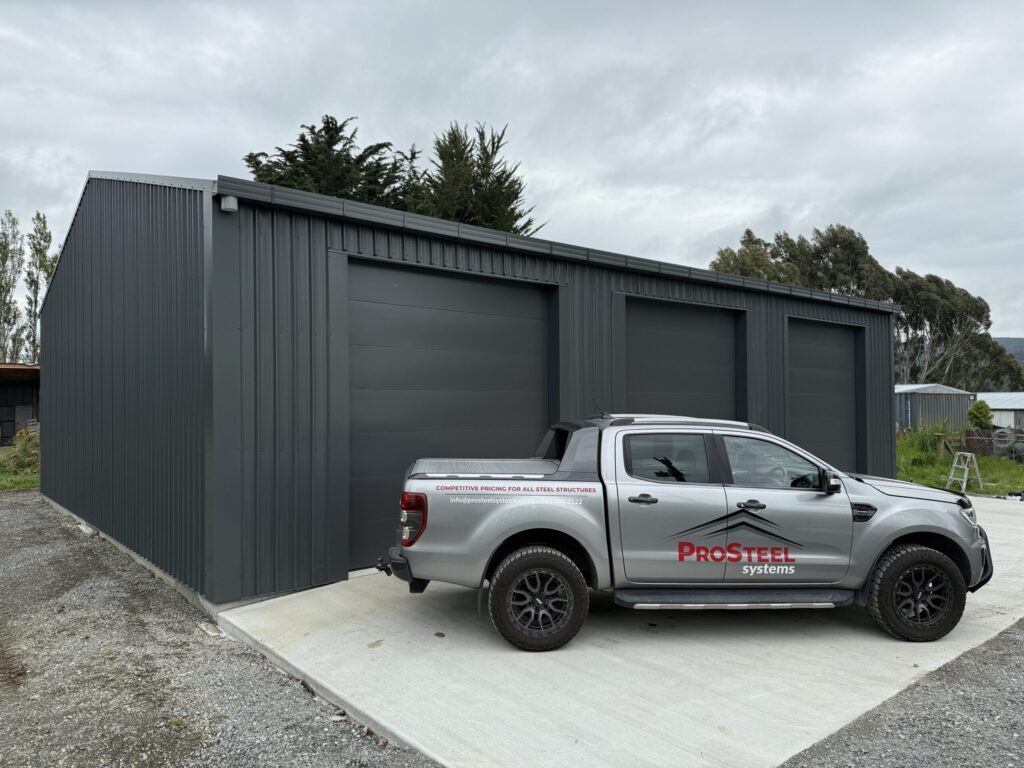
One recent example is The Titan Kitset, a pre-engineered steel shed designed for efficient assembly and long-term performance. This project highlights how a well-planned kitset can deliver clean spans, functional space, and a smooth build process without unnecessary complexity.
You can view the Titan Kitset project here.
If you’re considering a kitset shed, getting clear advice early can make all the difference. A free quote is a good place to start.