One of the most common questions we hear is:
“Do I need building consent for my shed?”
The answer surprises a lot of property owners. In some cases, you may not need building consent at all. But there are strict requirements, and missing just one can mean your project falls into the consent process.
The challenge is that many people don’t discover this until they’re already pricing, planning, or preparing their site.
When Can a Shed Be Built Without Building Consent?
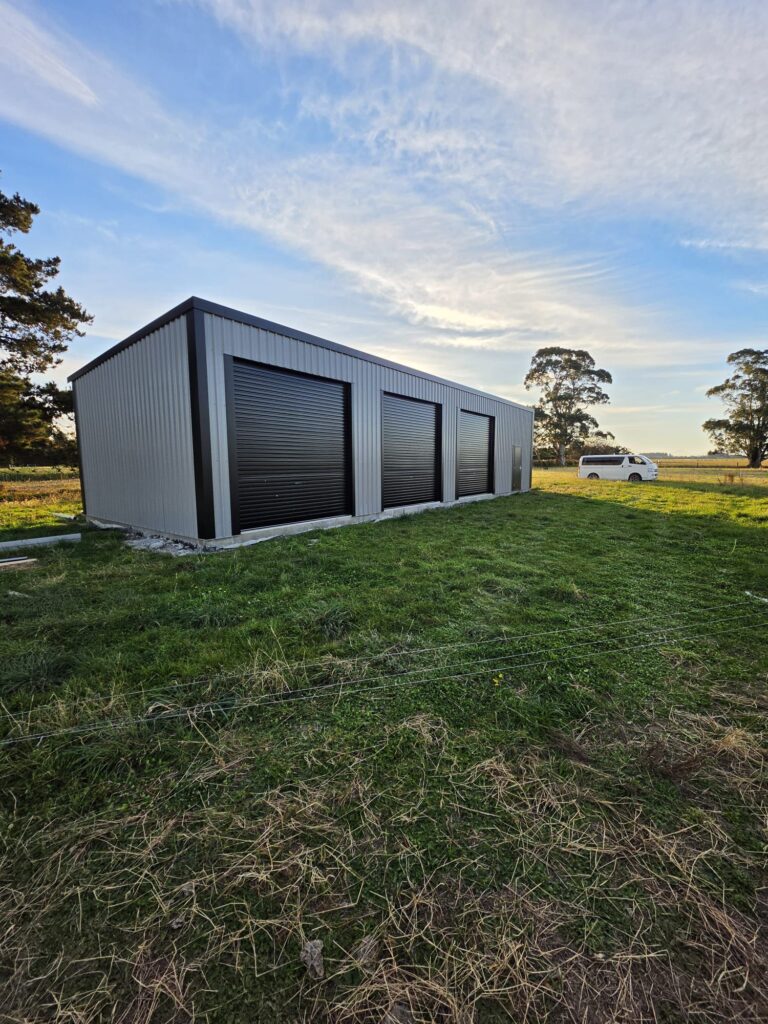
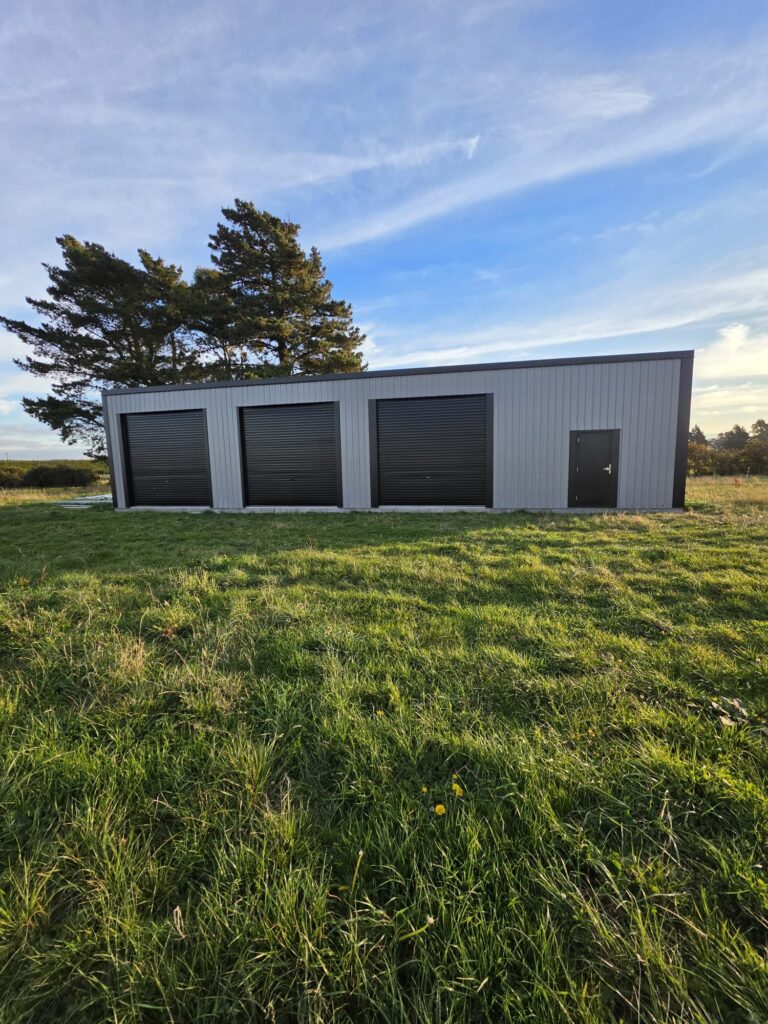
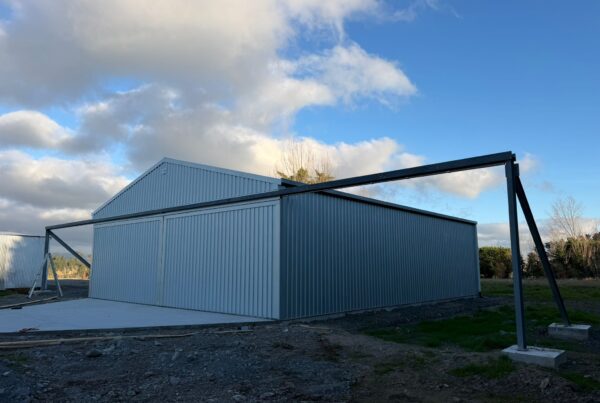
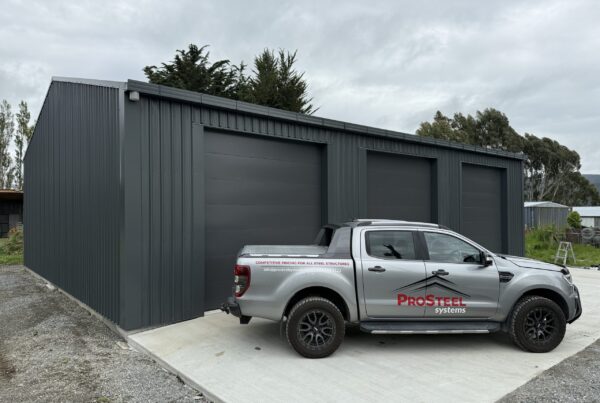
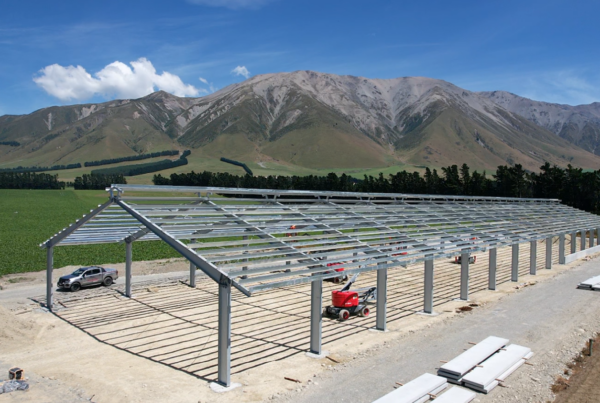
Under New Zealand’s building consent exemptions, certain detached buildings can be constructed without building consent if they meet specific requirements. However, the exemption only applies if every requirement is met.
Your shed must meet all of the following:
- Floor Area: The building must be 110m² or less.
- Building Height: The structure must be no more than 4 metres above floor level.
- Roof Span: The roof cannot have an unsupported span greater than 6 metres.
- Wind Zone: The site must not exceed a High Wind Zone, or a design wind speed of 44 metres per second.
- Setbacks: The shed must be positioned at least its own height away from:
- Any house
- A public road
- A railway
- Any legal property boundary
- Public Access: The building must not be accessible to the public.
- Professional Design Review: The structure must still be designed or reviewed by either a:
- Chartered Professional Engineer (CPEng), or
- Licensed Building Practitioner (LBP)
This is one area many people overlook. Consent exemption does not mean you can simply build whatever you like without professional input.
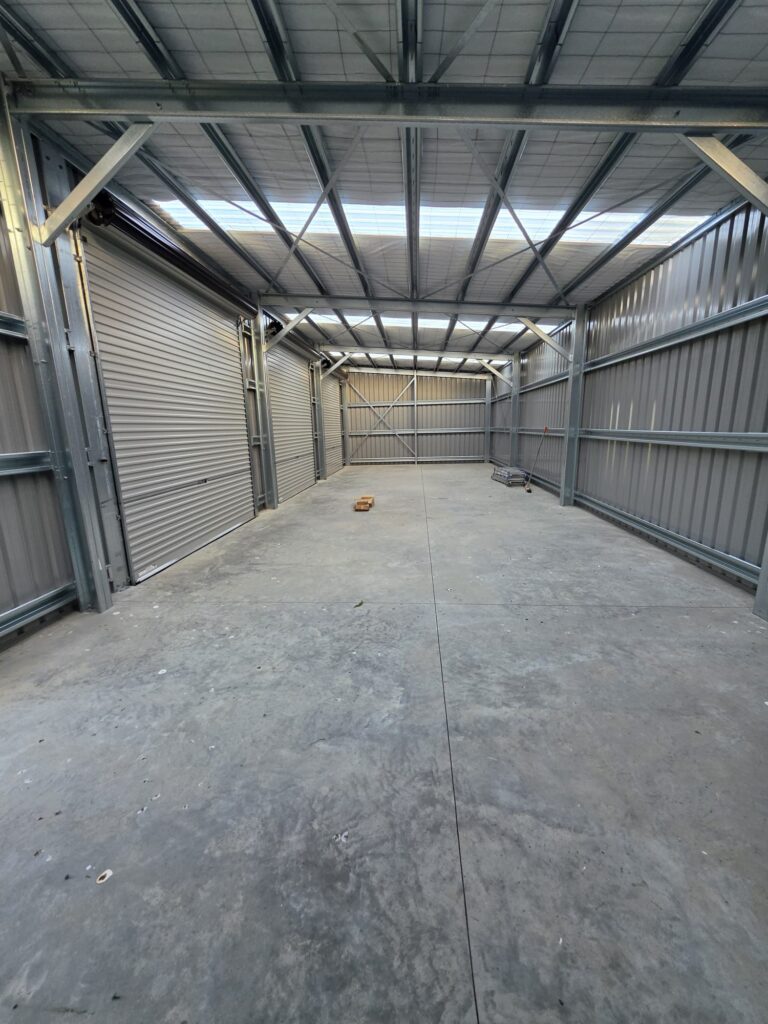
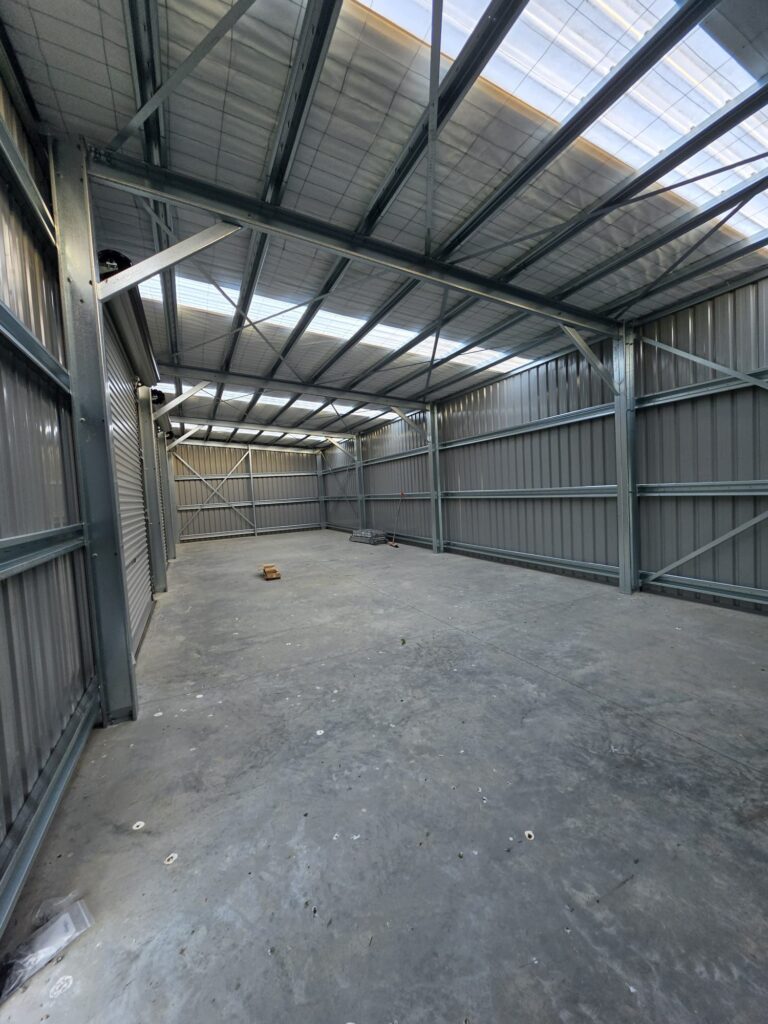
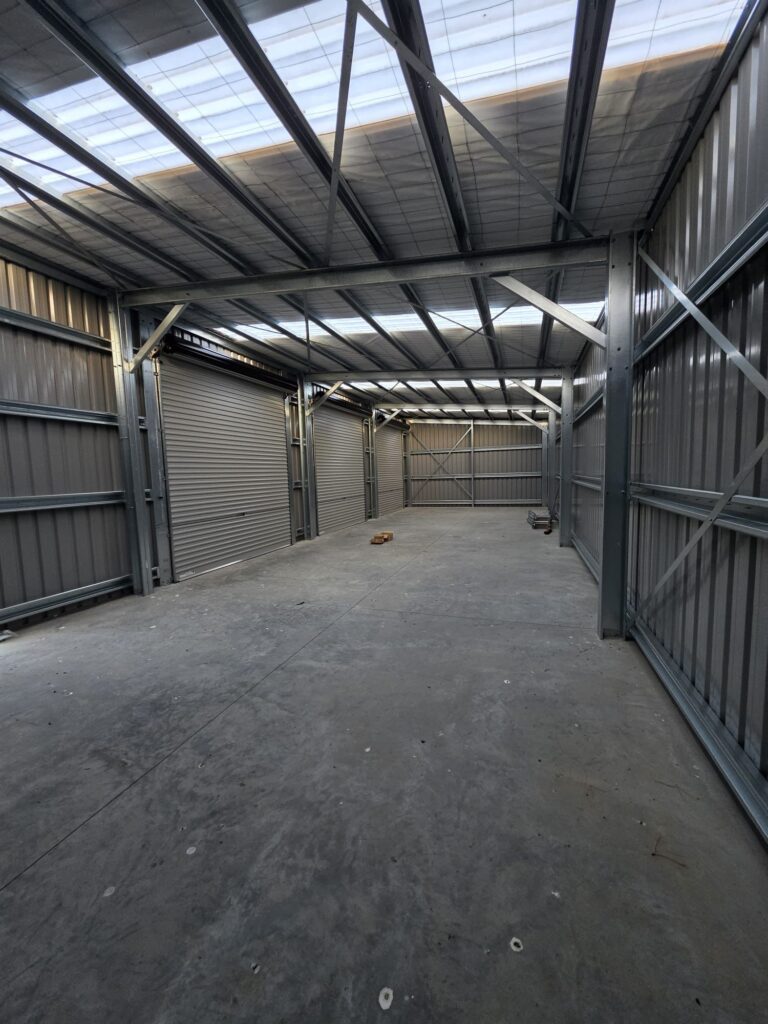
Miss One Requirement and Consent May Be Required
This is where many projects run into trouble.
A shed may look straightforward, but factors such as wind zone, boundary setbacks, roof spans, or intended use can quickly change whether the exemption applies.
For example:
- Increasing the span to create a larger clear opening
- Building closer to a boundary
- Exceeding the allowable height
- Building in a higher wind zone area
Any one of these could trigger the need for building consent.
Why It Pays to Check Early
The best time to understand consent requirements is before designs are finalised.
Making changes early is usually simple. Making changes after engineering, pricing, site preparation, or construction planning has started can become expensive and time-consuming.
That’s why one of the first conversations we have with clients is about their site, intended use, dimensions, and local conditions.
Not Sure Where Your Project Fits?
If you’re planning a shed, workshop, garage, or storage building and you’re unsure whether building consent will be required, we’re happy to help.
Tell us:
- Your site location
- What you plan to use the building for
- Your preferred dimensions
We’ll point you in the right direction and help you understand your options.